
- Description
- Curriculum
- Reviews
INTRODUCTION:
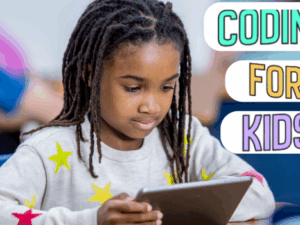
Welcome to Code & Bots, a course designed to introduce young learners to the exciting world of coding and robotics. In this course, students will discover how simple instructions can control computers and machines, turning ideas into real actions. Through fun activities and guided challenges, learners will see how technology works behind the scenes and how they can use it to create their own digital projects.
Coding is like learning a new language, one that computers understand. By learning how to code, students will practice giving clear instructions, solving problems step by step, and thinking creatively. They will experiment with building simple programs and understand how these programs can control animations, games, and even robots.
The course also introduces the basics of robotics. Learners will explore how robots move, sense their environment, and respond to commands. By combining coding with robotics, students will see how software and machines work together to perform tasks, from simple movements to more complex actions.
More importantly, Code & Bots encourages curiosity, imagination, and confidence. Students will be guided to explore, test ideas, make mistakes, and try again, just like real inventors and engineers. By the end of the course, learners will have a stronger understanding of how technology works and the skills to start creating their own simple coded projects and robotic ideas.
COURSE OBJECTIVES:
By the end of this course, learners will be able to:
- Understand the basics of coding and how simple instructions can be used to control computers and digital projects.
- Develop logical thinking and problem-solving skills by breaking down tasks into clear, step-by-step instructions.
- Create simple programs, animations, or games using beginner-friendly coding tools designed for young learners.
- Understand the basic concept of robotics, including how robots move, follow commands, and respond to instructions.
- Connect coding with robotics by learning how programs can control the actions of a robot.
- Practice creativity and experimentation by designing small coding projects and exploring different ways to solve problems.
- Build confidence with technology, helping learners feel comfortable exploring and creating with digital tools.
COURSE OUTLINE:
Module 1: Basics of Robotics and Programming
- What Robots Are and How They Work
- Introduction to Coding and Simple Commands
- Parts of a Robot: Sensors, Motors, and Controllers
Module 2: Creating Your First Robot
- Understanding Basic Robot Design
- Building a Simple Robot Model
- Testing and Making Your Robot Move
Module 3: Core Programming Concepts for Robotics
- Giving Instructions with Simple Code
- Understanding Sequences, Loops, and Conditions
- Controlling Robot Actions Through Code
Module 4: Robotics for Problem Solving
- Using Robots to Complete Simple Tasks
- Breaking Problems into Small Steps
- Testing, Fixing, and Improving Robot Programs
Module 5: Practical Uses of Robotics in Science
- How Robots Help Scientists and Engineers
- Robots Used in Space, Medicine, and Exploration
- Simple Robotics Projects Inspired by Real Life
TARGET AUDIENCE
- This course is designed for children between the ages of 8 and 13 who are curious about technology, coding, and how robots work. It is suitable for beginners who have little or no prior experience with programming or robotics.
- The course is ideal for young learners who enjoy building, experimenting, and solving problems. Students who like computers, games, gadgets, or science will find the lessons engaging and easy to follow.
- It is also well suited for students who want to start learning coding in a fun and simple way, using interactive activities that introduce programming and robotics concepts step by step.
- Parents, schools, and educators who want to introduce children to STEM learning (Science, Technology, Engineering, and Mathematics) in an enjoyable and beginner-friendly way will also find this course valuable.